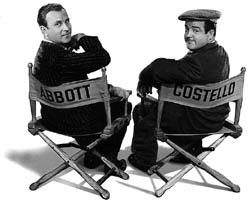
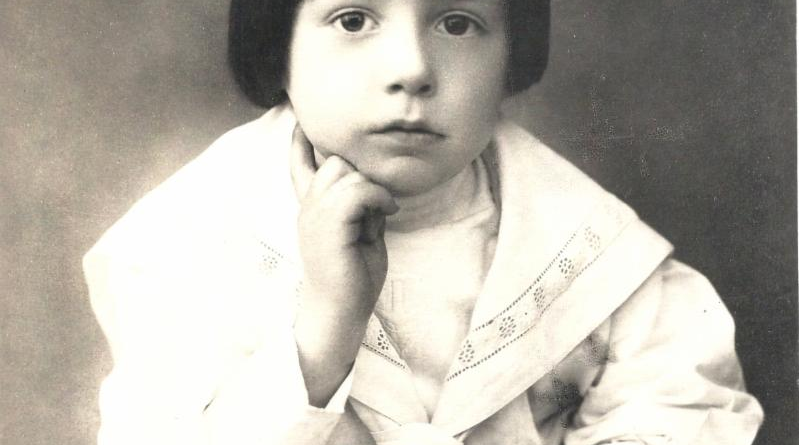
Lou Costello’s 120th birthday
Louis Francis Cristillo, better known as Lou Costello, was born on March 6, 1906 at 14 Madison Street in Paterson.
In Lou’s on First, Chris Costello wrote that from an early age Lou’s great passions were show business and sports: “He absolutely idolized Chaplin and it was Chaplin, indirectly, who influenced my father to change his course in life. Instead of a dramatic actor, he wanted to become a comic.”
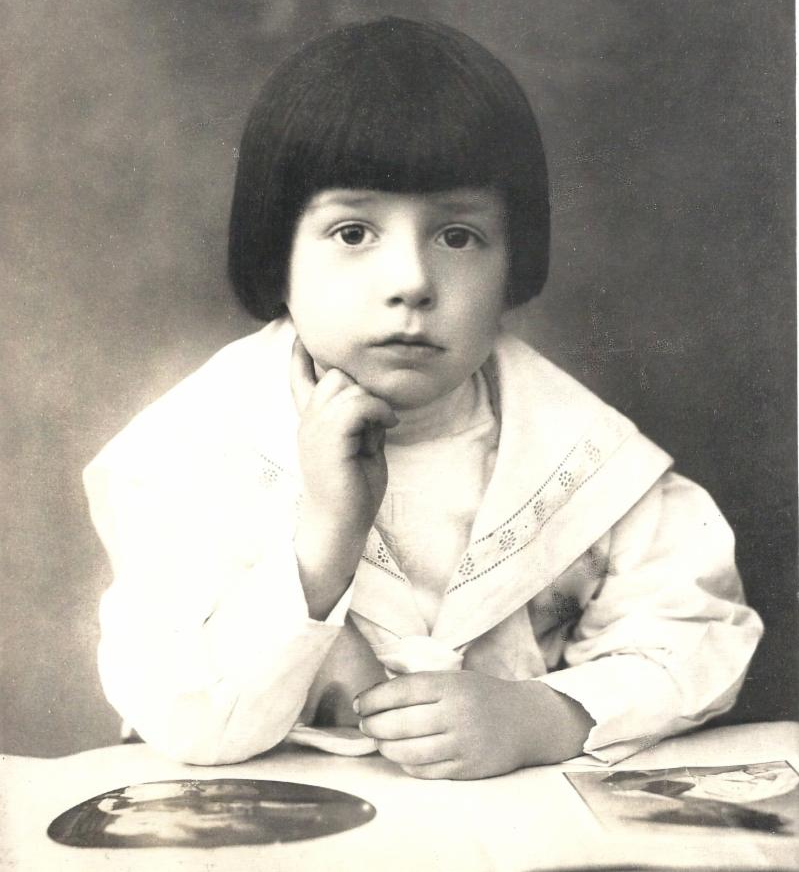
Legend has it that Lou won a Chaplin lookalike contest as a kid. Chaplin’s popularity during that time cannot be overstated. According to Variety, “There are myriads of Chaplin imitators among the ranks of the film fans.” Contests were held in Paterson in August and October 1915, and in June 1916, when Lou would have been nine or ten years old.
Lou’s other obsession was sports, particularly basketball. He played on several school, club, and company teams between 1920 and 1926, often concurrently and for money. Perhaps Lou’s hoop skills were first honed at the Paterson Armory, which was just down the block from the Cristillo home at 487 Market Street. One of his teammates recalled, “The caretaker of the armory would let us play basketball as long as we wanted. All we had to do was clean up the place.”
We might not recognize the basketball of Lou’s era. First, a 12-foot-high wire-mesh cage enclosed the court. (Basketball players were called “cagers” long after cages were eliminated.) The cage kept the ball in play at all times and players could bounce the ball—and opponents—off the cage. Teams also had a designated foul shooter until about 1924, when the player who was fouled was expected to take his own free throws. This was Lou’s specialty, and he won the city’s foul shot championship three times.
Lou also tried his hand at prize fighting. Boxing and baseball were the two most popular sports in the 1920s. Starting in late 1925, Costello fought under the alias “Lou King” over a period of about eighteen months. His checkered ring career ended when his father happened to attend one of the bouts.
Lou presumably looked for less grueling ways of making a living. His older brother, Pat, was a musician who put together his own band, Pat Cristillo and His Silk City Night Owls, and played night clubs and local radio. Lou helped out by carrying their instruments. According to Chris Costello, “My father was green with envy. Uncle Pat was in show business, and that’s all Dad had ever wanted to do.”
Finally, after he turned 21 in 1927, Lou asked for his father’s permission to go to Hollywood. Like the boxing incident, this also led to arguments in the Cristillo household. His parents even called in their parish priest, Father Valenti of St. Anthony’s, to dissuade Lou. He couldn’t. Pat lobbied for his brother and offered to send him money. “Pop, I think you ought to let him try,” Pat reasoned. “If you don’t let him go [to Hollywood] and he ends up a bum, he’ll blame you and Mom for it.”
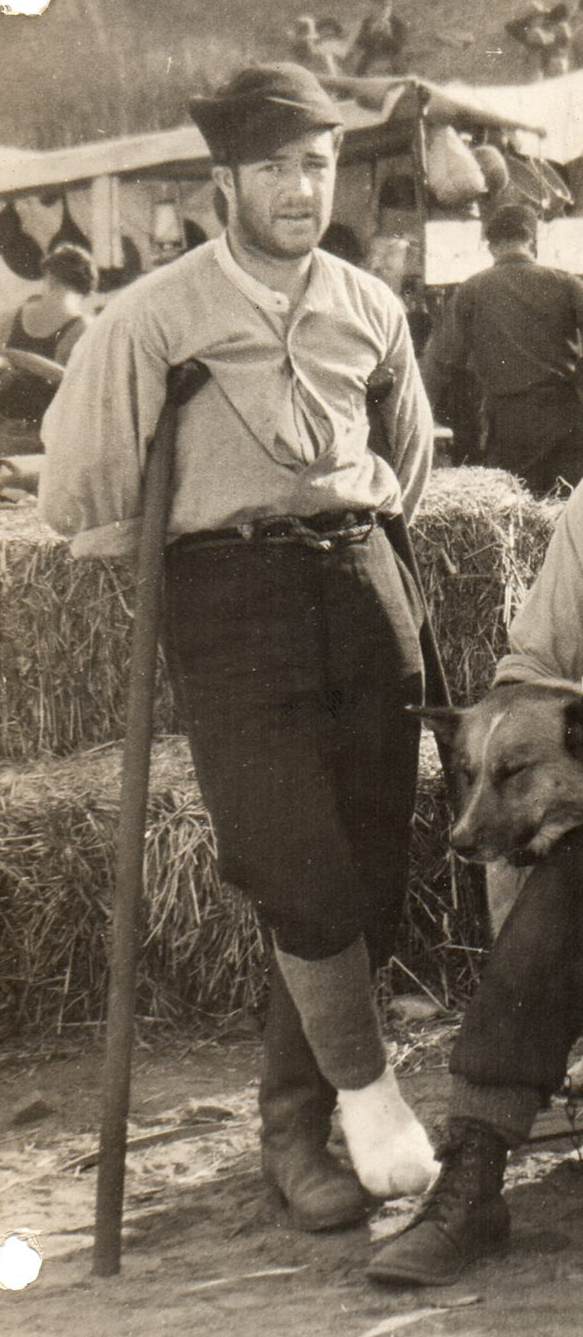
Lou arrived in Hollywood that June, just when massive numbers of extras were needed for one of the last silent epics, The Trail of ’98. Not only was Lou in the crowd scenes, but he broke his ankle doubling for star Dolores Del Rio jumping from a second story window. In production stills, he can be seen on crutches with a cast on his leg. He did more extra work (notably in Laurel and Hardy’s Battle of the Century) and stunt work (doubling for George K. Arthur), but with the advent of talkies, Costello decided to return east and get experience on the stage.
Fortunately, that stage would be a burlesque stage.